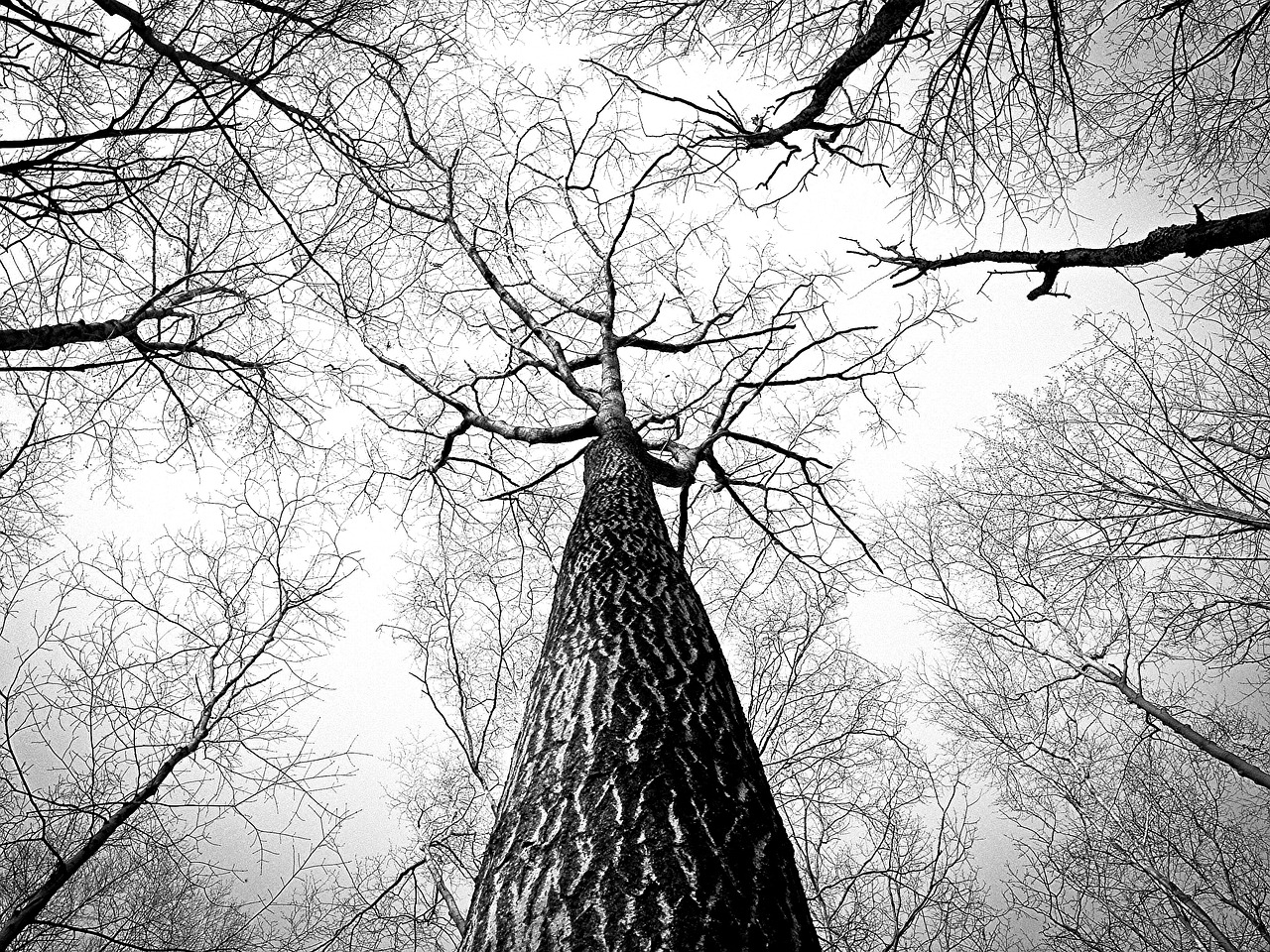
The journey inward often mirrors the winding paths of ancient labyrinths. These intricate structures have captivated humanity for millennia, offering profound insights into our quest for meaning and self-understanding.

When we stand at the entrance of a labyrinth or maze, we face more than just a physical challenge. We encounter a symbolic representation of life’s complexities, decision points, and the sometimes confusing route toward discovering who we truly are. This architectural metaphor has transcended cultures and centuries, remaining remarkably relevant in our modern pursuit of personal growth and psychological wellness.
🌀 The Ancient Wisdom of Walking in Circles
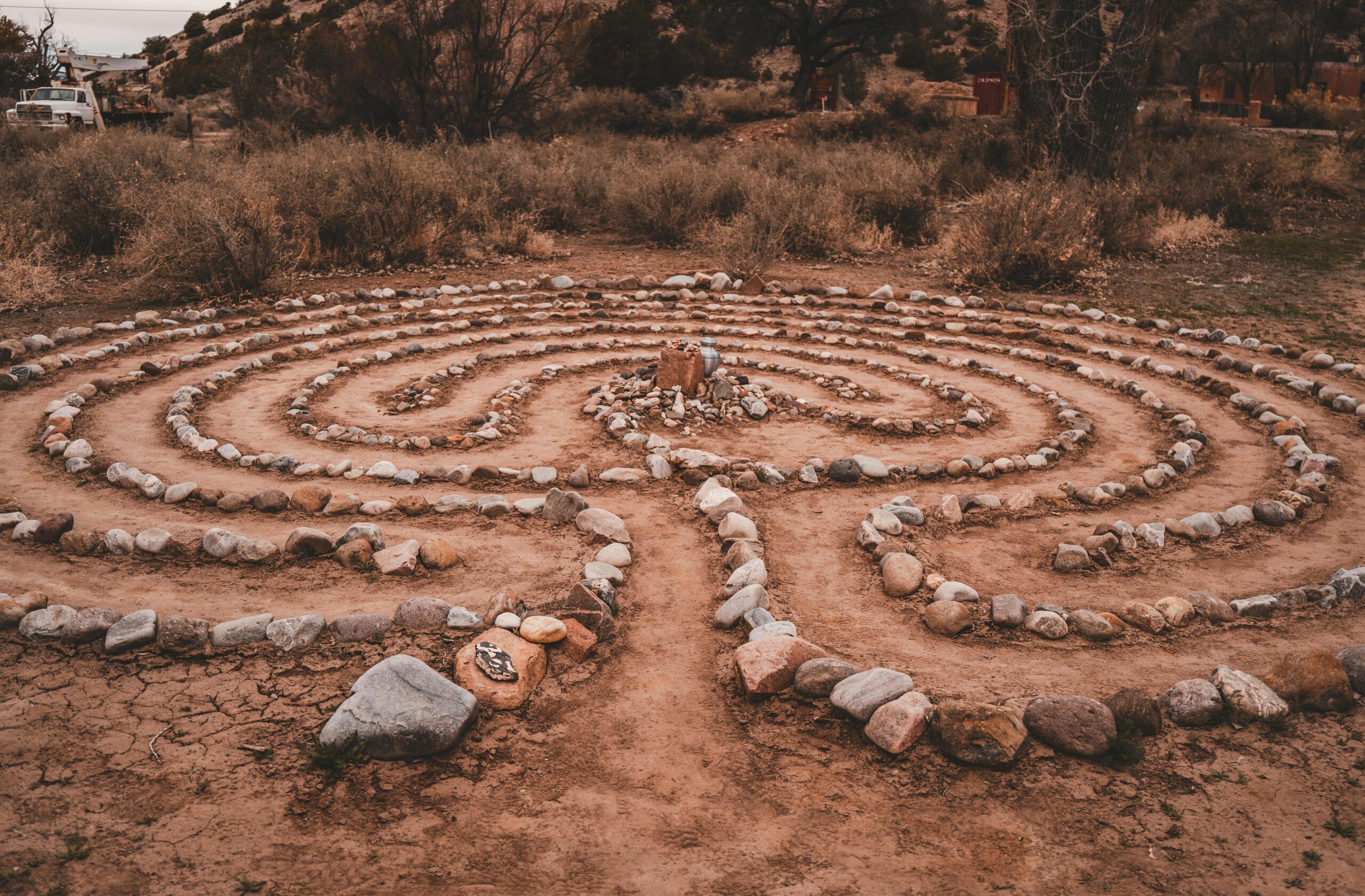
Labyrinths have existed for over 4,000 years, appearing in cultures from ancient Greece to Native American traditions. Unlike mazes designed to confuse, classical labyrinths feature a single, winding path leading to the center and back out again. This distinction matters profoundly when we consider them as metaphors for inner journey and self-discovery.
The Chartres Cathedral labyrinth in France, dating back to the 13th century, exemplifies how spiritual seekers used these patterns as walking meditations. Pilgrims who couldn’t travel to Jerusalem would walk these sacred patterns as a symbolic journey, turning physical movement into spiritual transformation. This practice recognized something essential: movement through space can facilitate movement through consciousness.
Archaeological evidence suggests that ancient Cretans, Egyptians, and indigenous peoples worldwide understood labyrinths as portals between worlds—physical and spiritual, conscious and unconscious. The famous Cretan labyrinth, home to the mythological Minotaur, represented confronting our deepest fears in the darkest recesses of the self.
Mazes Versus Labyrinths: Two Paths of Self-Exploration
Understanding the difference between mazes and labyrinths illuminates different aspects of our inner journey. A maze presents multiple paths, dead ends, and choices—you can get lost, make wrong turns, and need to backtrack. A labyrinth offers one meandering path that inevitably leads to the center.
Life presents us with both experiences. Sometimes we navigate maze-like situations requiring strategic thinking, choice-making, and the courage to admit when we’ve taken a wrong turn. Other times, we’re on a labyrinthine path where trust in the process matters more than figuring out the route.
The Maze Metaphor: Navigating Complexity
Mazes represent the cognitive and decision-making aspects of self-discovery. When you’re in a maze, you must:
- Make conscious choices at each intersection
- Develop strategies for navigation
- Accept that wrong turns are part of learning
- Build resilience through repeated attempts
- Cultivate problem-solving skills
This mirrors psychological growth that requires active engagement with our patterns, beliefs, and behaviors. Therapy, shadow work, and personal development often feel maze-like because we must consciously choose which thoughts to follow, which beliefs to challenge, and which behaviors to change.
The Labyrinth Metaphor: Surrendering to Process
Labyrinths, conversely, teach surrender and trust. Walking a labyrinth requires:
- Releasing the need to control outcomes
- Trusting that the path will lead you home
- Finding peace in the winding journey
- Accepting that sometimes you move away from the center before moving closer
- Understanding that the journey itself transforms you
This reflects spiritual dimensions of self-discovery where effort gives way to allowing, where striving transforms into becoming. Meditation practices, contemplative prayer, and mindfulness embody this labyrinthine quality of patient progression without forcing.
🧭 Psychological Landscapes: Mapping Inner Territory
Carl Jung, the pioneering psychologist, drew mandalas throughout his life—circular designs that function as psychological labyrinths. He recognized these patterns as expressions of the Self, the archetype of wholeness toward which individuation progresses. His work suggests that labyrinthine thinking isn’t just metaphorical but reflects actual psychological structures.
The unconscious mind doesn’t organize information linearly. Memories, associations, emotions, and meanings interconnect in web-like patterns remarkably similar to maze structures. When we engage in free association during therapy or journaling, we’re essentially navigating the maze of our own psyche, following connecting pathways to discover hidden chambers of insight.
Contemporary neuroscience supports this view. The brain’s neural networks form labyrinthine connections, with information traveling along established pathways while new experiences forge novel routes. Neuroplasticity—the brain’s ability to reorganize itself—mirrors the experience of finding new passages through what seemed like solid walls in our mental mazes.
Walking the Path: Practical Applications for Self-Discovery
How can we actively use labyrinth and maze metaphors for personal growth? The answer lies in translating ancient wisdom into modern practices that facilitate genuine transformation.
Physical Labyrinth Walking as Meditation
Many communities now feature permanent or temporary labyrinths in parks, churches, and wellness centers. Walking these patterns creates a moving meditation that engages body, mind, and spirit simultaneously. The three stages of labyrinth walking mirror psychological work:
Releasing (Walking In): As you walk toward the center, consciously release concerns, judgments, and mental clutter. This preparation phase clears space for insight.
Receiving (The Center): The center represents a moment of stillness, openness, and receptivity. Here, insights arise, clarity emerges, or simply peace settles in.
Returning (Walking Out): The outward journey represents integration, carrying newfound awareness back into daily life with intention and purpose.
Journaling Through Your Mental Maze 📝
Writing can replicate maze navigation. Start with a question or emotion at the “entrance,” then follow your thoughts wherever they lead. Allow yourself wrong turns, backtracking, and unexpected discoveries. The process reveals patterns you couldn’t see from outside the maze of your own thinking.
Consider these journaling prompts structured around the maze metaphor:
- What walls have I built that actually imprison me?
- Which dead ends have taught me the most valuable lessons?
- When did a perceived wrong turn lead somewhere essential?
- What would I find if I reached the center of my own maze?
- Who placed the monsters in my labyrinth, and what happens if I befriend them?
The Minotaur Within: Confronting Inner Shadows
Greek mythology placed the fearsome Minotaur at the center of the Cretan labyrinth. Theseus entered this maze to confront and slay the monster. Psychologically, this story represents the courage required to face our shadow selves—the repressed, denied, or feared aspects of our personality.
The center of our personal labyrinth often contains what we least want to encounter: shame, trauma, grief, rage, or existential fears. Yet these “monsters” guard treasures. Until we face them, we cannot integrate their energy, claim their gifts, or achieve wholeness.
Modern depth psychology recognizes that what we find at the center isn’t necessarily something to destroy but to understand, integrate, and sometimes even embrace. The Minotaur might represent raw vitality, authentic power, or primal creativity that civilization has forced into confinement.
Befriending Your Inner Minotaur
Rather than slaying your shadows, consider these approaches:
- Dialogue with the aspects of yourself you fear or reject
- Ask what these parts need rather than how to eliminate them
- Recognize that “monsters” often result from wounded children within
- Integrate shadow material gradually through compassionate self-inquiry
- Understand that wholeness includes darkness as well as light
🌟 Decision Points: Standing at the Crossroads
Every maze contains crucial intersections where choices determine subsequent pathways. Life presents similar crossroads where decisions shape our trajectory. The maze metaphor helps us approach these moments with wisdom rather than anxiety.
When standing at a decision point in your personal maze, consider that:
No choice is truly final: Even substantial decisions can be revisited, revised, or redirected. The maze allows backtracking.
Wrong turns provide valuable information: What doesn’t work teaches as much as what does. Dead ends eliminate options, gradually revealing viable paths.
Intuition serves as an internal compass: Beyond logic, something within often knows which direction serves your highest good. The challenge is quieting mental noise enough to hear it.
Some paths converge eventually: Different choices sometimes lead to similar destinations, suggesting that the journey matters more than the specific route.
The Spiral Nature of Growth and Healing
Many labyrinths follow spiral patterns, and this geometry reveals something profound about personal development. Growth isn’t linear—we don’t simply move from ignorance to enlightenment in a straight line. Instead, we spiral through similar themes at deepening levels.
You might recognize patterns you thought you’d resolved reappearing in your life. Rather than indicating failure, this suggests you’re encountering familiar territory from a more evolved perspective. Each spiral rotation brings you closer to the center while covering ground that seems familiar yet different.
Healing works similarly. Trauma recovery, addiction recovery, and psychological growth all demonstrate spiral patterns. You revisit pain, but each time with greater resources, deeper understanding, and expanded capacity. The labyrinth’s spiral teaches patience with this process.
Creating Your Personal Labyrinth Practice
You don’t need access to physical labyrinths or elaborate mazes to benefit from these metaphors. Creating a personal practice can be simple yet transformative.
Finger Labyrinths for Daily Contemplation
Small finger labyrinths—printed patterns or carved wood designs—allow you to trace the path with your finger while sitting quietly. This portable practice combines tactile engagement with meditative focus, accessible anywhere. Five minutes of finger labyrinth tracing can center your awareness and provide mental clarity.
Visualization and Guided Imagery
Close your eyes and imagine walking through a labyrinth or navigating a maze. What does the structure look like? What season surrounds you? What emotions arise as you walk? Who or what do you encounter? This active imagination technique accesses unconscious material while maintaining conscious participation.
Life Mapping Exercise
Draw your life as a labyrinth or maze. Mark significant events, relationships, challenges, and achievements as landmarks within the structure. This visual biography reveals patterns, shows how seemingly disconnected experiences connect, and illustrates how far you’ve traveled from where you began. Notice which parts feel like mazes requiring choices and which feel like labyrinths requiring trust.
🔄 Returning Changed: Integration and Embodiment
The hero’s journey—described by Joseph Campbell—follows a circular pattern remarkably similar to labyrinth walking. The hero ventures forth, faces challenges, gains treasure or wisdom, and returns transformed to share gifts with the community.
Your inner journey follows this structure. Self-discovery isn’t complete until you integrate insights into daily life and perhaps share wisdom with others. The return journey from the labyrinth’s center matters as much as reaching it.
Integration asks: How do insights translate into changed behavior? How does self-knowledge inform relationships, work, and purpose? The maze teaches navigation skills; the labyrinth teaches spiritual truths—but both remain abstract until embodied in how you actually live.
Signs of Successful Integration
- Increased self-compassion in difficult moments
- Clearer boundaries reflecting authentic values
- Reduced reactivity to old triggers
- Greater capacity to hold paradox and ambiguity
- Willingness to begin the journey again at deeper levels
The Infinite Center: There’s Always Deeper to Go
One beautiful aspect of using labyrinths and mazes as metaphors for self-discovery is that they remind us the journey never truly ends. Reaching the center doesn’t mean you’re finished—it means you’ve completed one cycle and can begin another at a deeper level.
Self-knowledge isn’t a destination but an ongoing relationship with your evolving self. Each time you traverse your inner landscape, you bring different questions, perspectives, and capacities. The territory remains the same, yet everything appears different because you’ve changed.
This understanding prevents both complacency and despair. You’re never “done” with personal growth, but you’re also never starting from zero. Each journey through your internal labyrinth deepens grooves of wisdom, strengthens your capacity to hold complexity, and expands your compassion for yourself and others.
Walking Together: Community and Shared Journey
While inner journey feels inherently solitary, we don’t walk entirely alone. Others traverse their own labyrinths simultaneously, and sometimes our paths intersect meaningfully. Sharing the metaphor creates connection even in individual exploration.
Group labyrinth walks, therapy circles, meditation communities, and authentic friendships provide companionship without robbing you of the essential aloneness required for genuine self-discovery. We can witness each other’s journeys, offer encouragement at difficult passages, and celebrate arrivals at new centers of understanding.
The labyrinth metaphor reminds us that even when walking the same physical path, each person experiences a unique journey. Your center differs from mine. Your monsters take different forms. Your treasures reflect your particular soul’s curriculum. This honors both universality and individuality in the human experience.
Embracing the Mystery of Your Unfolding Path ✨
Perhaps the greatest gift these ancient symbols offer modern seekers is permission to embrace mystery. In a culture obsessed with optimization, efficiency, and measurable outcomes, labyrinths and mazes remind us that some journeys can’t be rushed, shortcut, or fully mapped in advance.
Your inner landscape contains regions you haven’t discovered, capacities you haven’t developed, and wisdom you haven’t yet accessed. The winding path ensures you arrive at each discovery when you’re ready, prepared by everything you encountered along the way.
Trust the path, even when it seems to lead away from where you think you should go. Welcome the dead ends that teach discernment. Embrace the spirals that revisit familiar territory with new eyes. Face your monsters with courage and curiosity. Rest at the center when you arrive, knowing another journey awaits.
The labyrinth within you is uniquely yours, yet follows patterns that connect you to every seeker who has ever walked toward self-knowledge. May you find joy in the journey, courage in the complexity, and peace in knowing that wherever you are on the path is exactly where you need to be.