The human psyche harbors vast territories beyond ordinary awareness, structured in layers that mystics, shamans, and depth psychologists have mapped throughout centuries. These realms—upper, middle, and lower worlds—represent profound psychological landscapes where consciousness meets the unconscious.

Understanding these hidden dimensions offers transformative potential for personal growth, healing, and self-discovery. By exploring these mental territories, we gain access to wisdom, creativity, and integration that remain inaccessible through surface-level thinking alone.
🌍 The Three-World Model: Ancient Wisdom Meets Modern Psychology
The tripartite cosmology of upper, middle, and lower worlds appears consistently across shamanic traditions worldwide, from Siberian practices to Native American spirituality. This universal framework isn’t merely mythological—it corresponds remarkably with contemporary psychological structures Carl Jung, Stanislav Grof, and other depth psychologists have identified.
The middle world represents our everyday conscious reality, where ego functions and ordinary perception operate. The upper world symbolizes transcendent consciousness, aspirational ideals, and collective wisdom. The lower world encompasses the depths of the unconscious, primal instincts, ancestral memories, and shadow materials requiring integration.
These aren’t literal geographical locations but psychological states and layers of consciousness accessible through various techniques. Understanding this framework provides a comprehensive map for inner exploration and psychological development.
The Middle World: Ground of Everyday Consciousness 🧭
The middle world constitutes our familiar reality—the domain where ego consciousness operates, where we conduct daily activities, make decisions, and interact with the physical environment. This is the realm of waking awareness, rational thought, and practical problem-solving.
Psychologically, the middle world corresponds to the ego and persona—the aspects of self we identify with and present to others. It includes our conscious thoughts, memories, learned behaviors, and social conditioning. This layer processes sensory information and navigates social expectations.
Characteristics of Middle World Consciousness
Middle world awareness operates through linear time, cause-and-effect reasoning, and dualistic thinking. It distinguishes self from other, past from future, and employs language to categorize experience. This level of consciousness excels at practical tasks and survival functions.
However, exclusive identification with middle world consciousness creates limitations. When we believe this everyday awareness represents our complete identity, we disconnect from deeper sources of meaning, creativity, and healing. Psychological issues often arise from this disconnection—anxiety about the future, depression rooted in past experiences, and a pervasive sense of meaninglessness.
Working With Middle World Reality
Effective psychological work at this level includes cognitive-behavioral approaches, practical problem-solving, skill development, and conscious relationship building. Mindfulness practices help us become more present in middle world experience without being entirely defined by it.
The key is recognizing the middle world as one essential layer rather than the totality of existence. This awareness creates openings to explore the vertical dimensions—ascending to upper world consciousness and descending to lower world depths.
🌤️ The Upper World: Realm of Transcendence and Aspiration
The upper world represents elevated consciousness, spiritual awareness, and connection with transcendent dimensions of experience. Psychologically, this layer encompasses our highest aspirations, ethical ideals, archetypal wisdom, and experiences of unity consciousness.
In shamanic journeying, practitioners describe the upper world as luminous, expansive, and characterized by clarity and perspective. Psychologically, upper world states include peak experiences, moments of insight, creative inspiration, and connection with something greater than individual ego.
Accessing Upper World Consciousness
Various practices facilitate access to upper world awareness. Meditation, contemplation, prayer, and certain breathwork techniques can shift consciousness toward these elevated states. Creative absorption, encounters with beauty, and experiences in nature frequently open upper world dimensions.
In Jungian psychology, the upper world correlates with the Self—the archetype of wholeness and the organizing center of the psyche. Contact with this dimension brings integration, meaning, and orientation toward psychological and spiritual development.
Upper World Wisdom and Guidance
The upper world serves as a source of guidance, offering perspectives unavailable to ego consciousness alone. Many report encounters with wise figures, spiritual teachers, or simply receiving clarity about life direction during upper world experiences.
These aren’t necessarily supernatural occurrences but represent accessing deeper wisdom within the psyche. The upper world contains what Jung called the collective unconscious’s transcendent functions—innate human wisdom accumulated through evolutionary and cultural development.
Potential Pitfalls of Upper World Focus
While upper world connection offers tremendous value, exclusive focus creates its own problems. Spiritual bypassing occurs when individuals use transcendent experiences to avoid dealing with practical issues, emotional wounds, or shadow material requiring integration.
Balanced psychological health requires grounding upper world insights in middle world reality and integrating them with lower world material. The ascending movement toward transcendence must be balanced with descending movement toward embodiment and shadow integration.
🌑 The Lower World: Depths of the Unconscious
The lower world represents the deep unconscious—a realm containing primal instincts, suppressed emotions, ancestral memories, and what Jung termed the shadow. This territory often feels dark, mysterious, and potentially threatening to ego consciousness.
Shamanic traditions describe the lower world as earthy, often featuring caves, roots, underground waters, and animal spirits. Psychologically, this corresponds to the personal and collective unconscious, containing both rejected aspects of self and untapped creative potential.
The Shadow and Lower World Territory
The shadow comprises parts of ourselves we’ve denied, suppressed, or never fully acknowledged. These include not only negative qualities we’ve rejected but also positive potentials we’ve failed to develop. The lower world houses this shadow material, making it essential territory for psychological integration.
Exploring the lower world involves confronting uncomfortable truths, feeling difficult emotions, and acknowledging aspects of ourselves that threaten ego identity. This descent can be challenging but yields profound transformation and wholeness.
Instinct, Body Wisdom, and Primal Energy
The lower world connects us with instinctual wisdom, bodily intelligence, and primal life force. Modern culture often emphasizes rational, cerebral functioning while disconnecting from somatic awareness and instinctual knowing. Lower world work restores this essential connection.
Animal spirits in shamanic traditions represent these instinctual energies—power, intuition, survival wisdom, and natural rhythms. Psychologically, connecting with these energies enhances vitality, authenticity, and embodied presence.
Ancestral Patterns and Collective Unconscious
The lower world contains ancestral material—inherited patterns, family dynamics, and cultural conditioning that shape us unconsciously. Exploring this dimension reveals how past generations’ experiences influence present behavior and perception.
Jung’s concept of archetypes—universal patterns in the collective unconscious—also resides in lower world territory. These fundamental structures of human experience shape our psychological life whether we acknowledge them consciously or not.
🔄 Integration: Navigating All Three Worlds
Psychological health and spiritual maturity require movement among all three worlds rather than fixation in any single realm. The ability to journey vertically—ascending to upper world consciousness and descending to lower world depths while remaining grounded in middle world reality—represents integrated functioning.
This vertical integration differs from the horizontal expansion emphasized in much Western psychology. Rather than simply broadening ego consciousness, three-world navigation develops depth, accessing wisdom and energy from multiple levels of psyche.
The Shamanic Journey as Psychological Practice
Traditional shamanic journeying provides a practical methodology for exploring these dimensions. Using rhythmic drumming, rattling, or other techniques, practitioners enter altered states allowing conscious navigation of upper and lower world territories.
Modern depth psychology employs analogous approaches—active imagination, guided visualization, dreamwork, and somatic practices that facilitate access to unconscious material. These methods allow exploration of inner landscapes beyond ordinary awareness.
Daily Practices for Three-World Awareness
- Morning contemplation or meditation connecting with upper world guidance and intention
- Grounded presence throughout daily activities, fully engaging middle world responsibilities
- Evening reflection acknowledging emotions, dreams, and body sensations from lower world depths
- Creative expression channeling energies from all three dimensions
- Nature immersion facilitating access to non-ordinary states of consciousness
- Journaling bridging conscious awareness with unconscious material
🧘 Psychological Benefits of Three-World Navigation
Developing the capacity to move consciously among upper, middle, and lower worlds yields numerous psychological benefits. This vertical integration addresses limitations of approaches focusing exclusively on ego strengthening or cognitive restructuring.
Enhanced Creativity and Problem-Solving
Creative breakthroughs often emerge from accessing non-ordinary states. Upper world connection brings inspiration and novel perspectives, while lower world exploration taps primal creative energy. Integrating these sources with middle world practical skills produces genuine innovation.
Emotional Healing and Trauma Integration
Many psychological wounds reside in lower world territory, beyond rational mind’s reach. Descending to these depths, encountering difficult material with compassion, and bringing it into conscious awareness facilitates healing that cognitive approaches alone cannot achieve.
Upper world connection provides resources for this difficult work—perspective, spiritual support, and connection with healing energies. The middle world offers practical coping skills and relational support necessary for integration.
Meaning and Purpose Discovery
Existential questions about life purpose and meaning find answers through three-world exploration. Upper world connection reveals transcendent values and life direction. Lower world work uncovers authentic desires beneath social conditioning. Middle world provides the arena for manifesting this purpose practically.
⚠️ Navigating Challenges and Avoiding Pitfalls
Exploring non-ordinary states carries risks requiring awareness and appropriate preparation. Without proper grounding and integration, upper and lower world experiences can destabilize rather than enhance psychological functioning.
Maintaining Grounding and Stability
Middle world connection provides essential grounding when exploring other dimensions. Maintaining daily routines, physical exercise, healthy relationships, and practical responsibilities prevents becoming unmoored during deep psychological work.
Those with histories of psychosis, severe trauma, or fragile ego structure should approach non-ordinary state exploration cautiously, preferably with professional therapeutic support. Some individuals require ego strengthening before depth work proves beneficial.
Working With Guides and Teachers
Traditional shamanic cultures emphasize apprenticeship with experienced practitioners. Similarly, psychological exploration benefits from guidance—therapists, spiritual teachers, or mentors who’ve navigated these territories and can provide perspective and support.
Group practice often provides safety and support that solitary exploration lacks. Sharing experiences with others on similar journeys normalizes non-ordinary states and provides reality checks preventing inflation or spiritual bypassing.
🌟 Practical Applications in Contemporary Life
The three-world model isn’t merely theoretical—it offers practical frameworks for addressing contemporary psychological challenges. Modern life’s disconnection from depth dimensions creates much suffering that three-world awareness can address.
Addressing Anxiety Through Vertical Integration
Anxiety often results from exclusive middle world consciousness—worry about future outcomes and attempts to control uncertainty. Upper world connection provides trust and perspective, while lower world grounding in body and instinct reduces mental spinning.
Depression and Disconnection From Depth
Depression frequently reflects disconnection from both upper and lower worlds—loss of meaning (upper world) and suppression of authentic feeling and desire (lower world). Reconnecting with these dimensions restores vitality and purpose.
Relationship Enhancement
Three-world awareness enhances relationships by bringing depth, authenticity, and transcendent perspective. Lower world work addresses unconscious patterns and shadow projections. Upper world connection brings compassion and recognition of partners’ essential being beyond ego personality.
🔮 The Future of Depth Psychology and Consciousness Exploration
Contemporary culture shows increasing interest in consciousness exploration, meditation, psychedelic therapy, and integration of indigenous wisdom. This represents partial return to understanding that ancient traditions possessed—reality consists of multiple dimensions requiring navigation.
Modern psychology increasingly recognizes limitations of purely cognitive approaches, incorporating somatic practices, mindfulness, and depth-oriented methods. The three-world model provides a comprehensive framework integrating these developments.
Research into psychedelics, meditation, and altered states continues revealing the psychological value of non-ordinary consciousness. Rather than pathologizing these experiences, emerging paradigms recognize them as essential for complete human development.
Beginning Your Own Three-World Exploration Journey 🚀
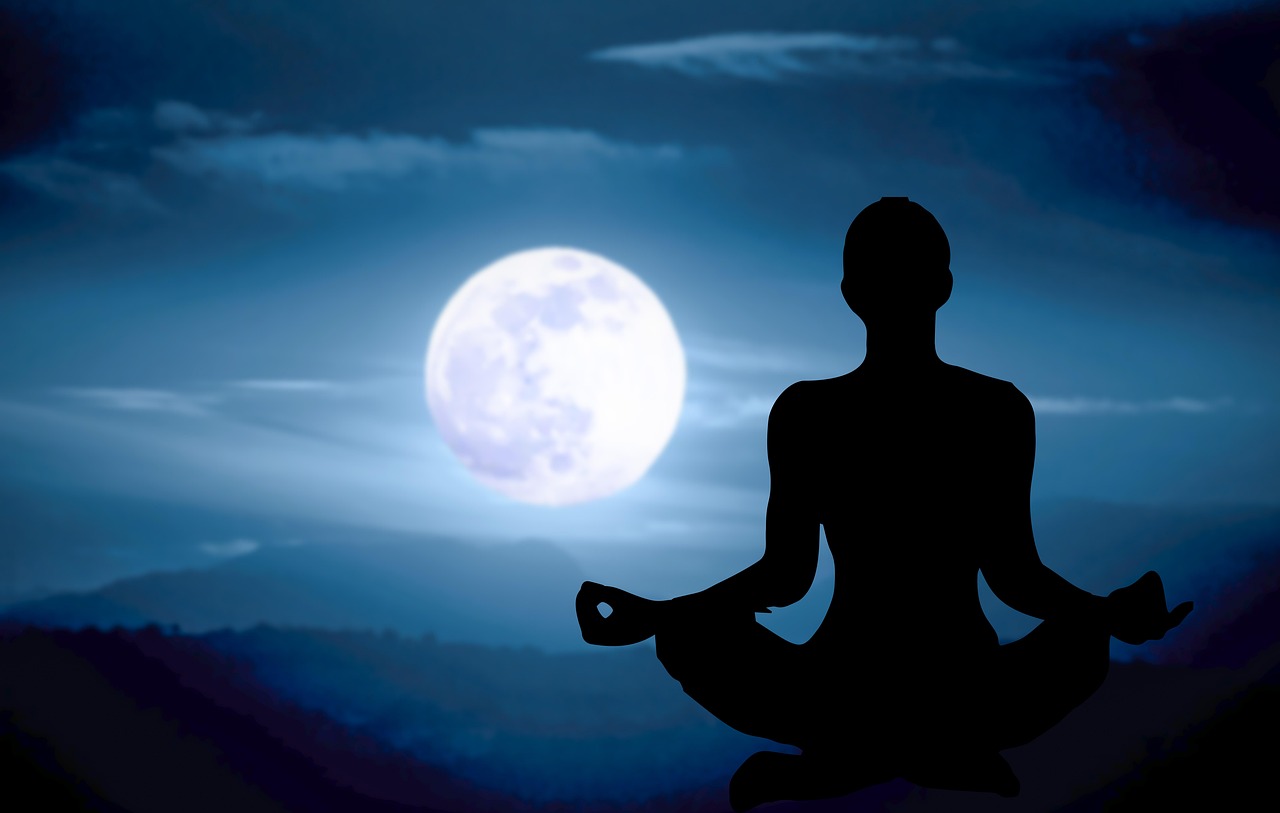
Starting this exploration requires no special equipment or exotic travel—the territories exist within your own psyche, accessible through commitment and appropriate practices. Begin where you are, with simple techniques developing capacity for vertical navigation.
Establish a daily practice connecting with each dimension. Morning meditation or contemplation accesses upper world guidance. Throughout the day, practice presence and engagement with middle world reality. Evening journaling, body awareness, or dreamwork opens lower world dimensions.
Notice which world you habitually inhabit. Modern people often remain stuck in middle world consciousness, cut off from depth and transcendence. Others escape into upper world spirituality, avoiding practical responsibilities. Still others become trapped in lower world darkness, overwhelmed by unconscious material.
Balanced development requires conscious movement among all three realms. This vertical integration complements the horizontal expansion of ego consciousness, creating psychological wholeness that honors all dimensions of human experience.
The journey through upper, middle, and lower worlds represents humanity’s oldest and most essential exploration—the quest for self-knowledge and wholeness. These hidden psychological landscapes contain treasures awaiting discovery—wisdom, healing, creativity, and profound transformation. By learning to navigate these territories consciously, we unlock potentials that remain dormant when consciousness fixates in ordinary awareness alone. The map exists, the territories await, and the journey begins with a single step inward.