For millennia, humans have turned to elemental forces—fire, darkness, and light—not merely as physical phenomena, but as profound psychological catalysts capable of transforming consciousness and catalyzing deep personal change.

These primal elements possess an extraordinary ability to bypass our rational defenses and speak directly to the unconscious mind. When integrated intentionally into transformative rituals, they become powerful amplifiers that can accelerate healing, facilitate breakthroughs, and unlock dormant aspects of our psychological landscape. Understanding how to harness these forces responsibly opens doorways to profound inner work that cognitive approaches alone cannot reach.
🔥 The Archetypal Power of Fire in Psychological Transformation
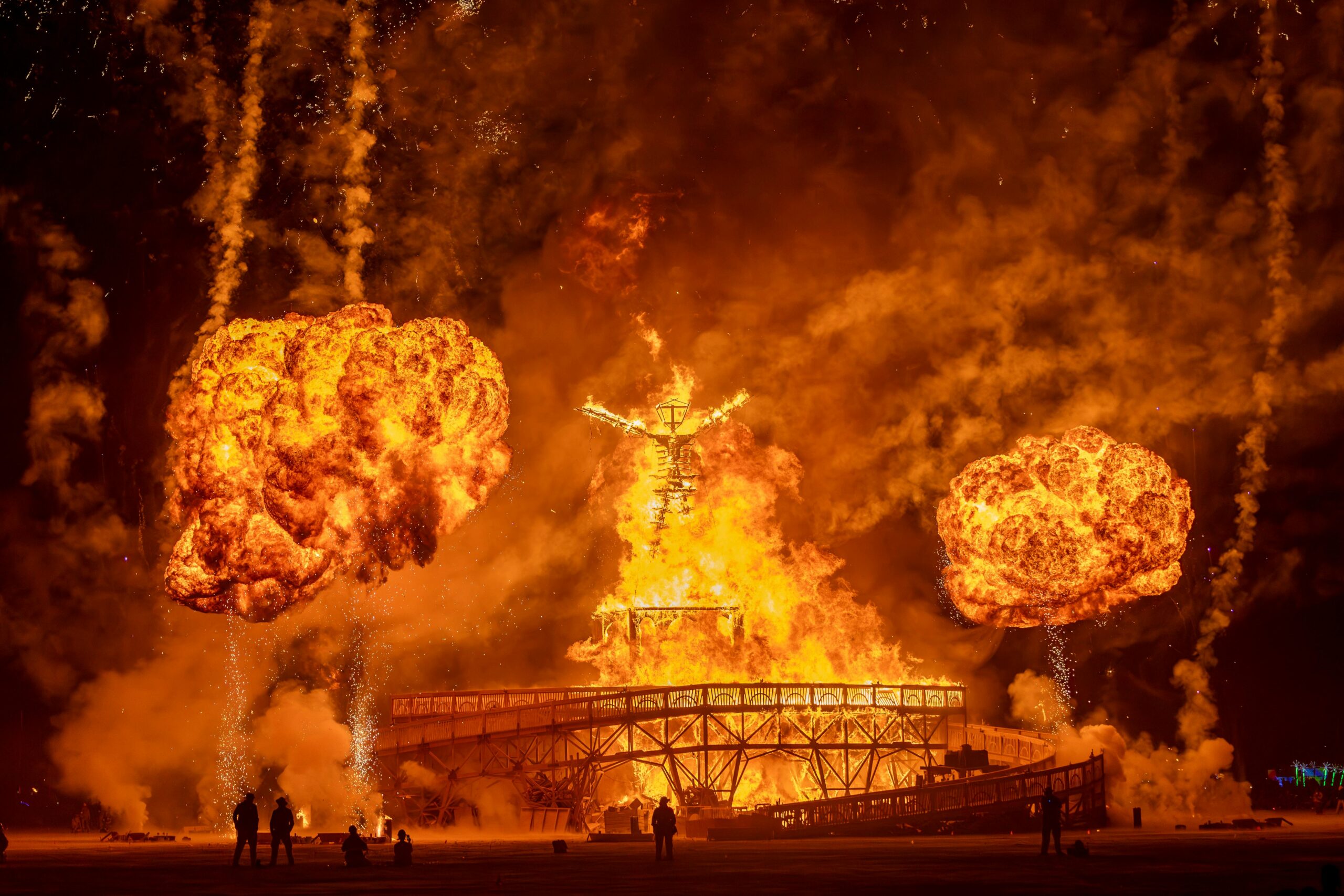
Fire has captivated human imagination since our earliest ancestors gathered around flames for warmth, protection, and community. This ancient relationship has embedded fire deeply within our collective unconscious, making it one of the most potent symbols for transformation, purification, and renewal.
When we engage with fire in ritualistic contexts, we’re not simply observing combustion—we’re activating ancient neural pathways that associate flame with safety, social bonding, and existential contemplation. The flickering patterns create a natural focal point for meditation, inducing mild trance states that make the psyche more receptive to intentional change work.
Neurological Responses to Fire Gazing
Modern neuroscience has begun validating what shamans and spiritual practitioners have known intuitively. Watching flames triggers a relaxation response similar to meditation, lowering blood pressure and reducing cortisol levels. This physiological shift creates optimal conditions for psychological work, as the nervous system moves from sympathetic activation into parasympathetic restoration.
The hypnotic quality of fire naturally quiets the default mode network—the brain region associated with rumination and self-referential thinking. This quieting allows practitioners to step outside habitual thought patterns and access deeper layers of consciousness where transformative insights emerge organically.
Ritual Applications of Fire for Release and Renewal
Fire rituals for psychological transformation typically focus on two complementary processes: burning away what no longer serves and igniting new intentions. The act of writing limiting beliefs, past traumas, or outdated identities on paper and consciously burning them creates a powerful somatic experience of release that purely cognitive reframing cannot replicate.
This physical destruction serves as an embodied metaphor that the unconscious mind recognizes and responds to viscerally. Participants frequently report feeling lighter, freer, and genuinely different after fire release ceremonies—not through magical thinking, but because the ritual engages multiple sensory channels simultaneously, creating a memorable emotional anchor for the desired change.
🌑 Darkness as a Container for Deep Psychological Work
While modern society typically frames darkness negatively, depth psychology and wisdom traditions recognize it as essential for genuine transformation. Darkness represents the unknown, the unconscious, and the fertile void from which all creation emerges. In ritual contexts, intentional engagement with darkness can facilitate profound psychological breakthroughs.
Our culture’s obsession with constant illumination has created a collective disconnection from the regenerative powers of darkness. We fear what we cannot see, yet it is precisely in this unknowing that the ego’s defenses soften and the deeper self can emerge. Darkness strips away the visual distractions that ordinarily occupy our attention, redirecting awareness inward.
The Psychology of Sensory Deprivation in Ritual
When visual input is removed, the brain reallocates resources to other sensory modalities and internal processing. This redistribution can heighten interoception—awareness of internal bodily states—and amplify subtle emotional currents that normally remain below conscious awareness. In darkness, we become exquisitely attuned to what is happening within us.
Traditional initiation ceremonies across cultures have recognized this principle, often incorporating periods of darkness or blindfolding. These practices serve not as punishment but as accelerated pathways to self-knowledge. Without external reference points, practitioners must navigate by internal compass, developing trust in their inner guidance systems.
Creating Safe Containers for Shadow Work
Darkness rituals provide ideal conditions for engaging with the shadow—those disowned aspects of self that Carl Jung identified as essential for wholeness. In literal darkness, psychological shadows feel safer to explore because the usual social masks become irrelevant. There is no one to perform for, no image to maintain.
Effective darkness rituals establish clear boundaries and intentions beforehand, ensuring participants feel psychologically contained even as they venture into unknown internal territories. This paradoxical combination—safe structure supporting radical openness—allows for integration of previously split-off material without overwhelming the system.
💡 Light as Revelation and Conscious Integration
If darkness represents the unconscious and potentiality, light symbolizes consciousness, clarity, and manifestation. In transformative rituals, the strategic use of light—particularly the transition from darkness to illumination—can catalyze moments of profound insight and integration that participants experience as genuinely revelatory.
The metaphor of “seeing the light” or having something “dawn on us” reflects the psychological reality that understanding often arrives as sudden illumination after periods of confusion or unknowing. Ritual practitioners can intentionally structure experiences to leverage this natural pattern of consciousness.
The Liminal Power of Dawn and Candlelight
Soft, gradual light sources like dawn or candlelight occupy a middle ground between darkness and full illumination. This liminal quality makes them particularly powerful for ritual work, as they mirror the psychological space between unconscious and conscious, between old identity and emerging self.
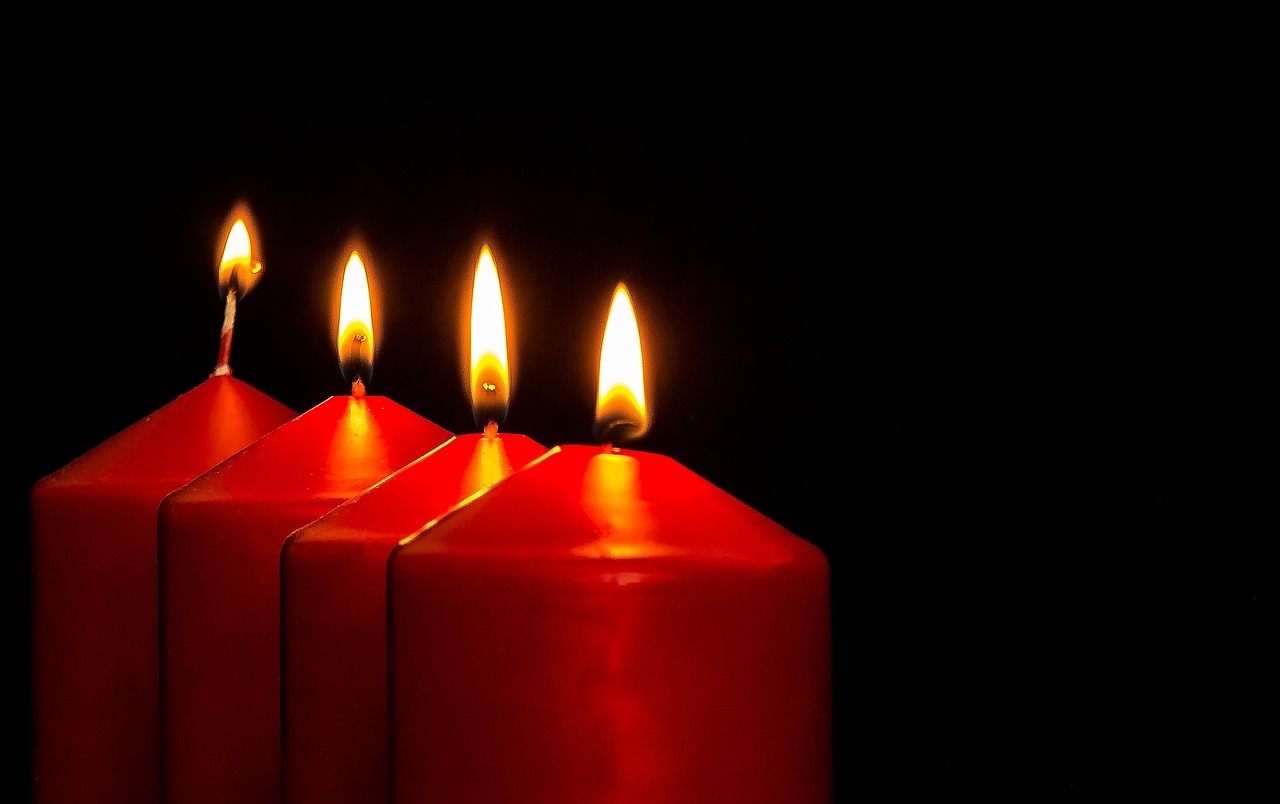
Candlelight possesses specific qualities that make it ideal for contemplative practices. Unlike electric light, which remains constant, candlelight flickers and moves, maintaining just enough variability to sustain attention without overwhelming it. This gentle dynamism keeps practitioners present while allowing space for internal processing.
Illumination Rituals for Insight and Clarity
Rituals that move from darkness toward light can be structured to support psychological breakthroughs. Participants might begin in complete darkness, engaging with a question or challenge, then gradually introduce light as insights emerge. The physical experience of illumination reinforces and amplifies the internal experience of understanding.
Some practitioners work with visualization exercises where they imagine light entering blocked or wounded areas of the psyche, using the symbol of light as a vehicle for healing attention. While this might sound abstract, neuroimaging studies confirm that imagined sensory experiences activate similar brain regions as actual sensory input, making such practices neurologically substantive.
⚡ The Alchemical Dance: Combining Elements for Maximum Impact
The true power of fire, darkness, and light as psychological amplifiers emerges when they’re combined intentionally within a single ritual structure. This integration mirrors the alchemical tradition, which used elemental imagery to describe psychological transformation processes.
A well-designed transformative ritual might begin in darkness, allowing participants to settle into interior awareness and identify what needs attention. Fire is then introduced—perhaps a single candle—creating a focal point that draws the psyche toward what wants to be released or transformed. Finally, fuller light arrives, supporting integration and conscious commitment to the insights gained.
Designing Multi-Elemental Transformation Ceremonies
Creating effective multi-elemental rituals requires understanding both the psychological principles at play and the practical logistics of working safely with these forces. The sequence matters tremendously—moving from darkness to light generally supports awakening and empowerment, while moving from light to darkness might better serve rest and introspection.
Consider a personal transformation ritual structured as follows:
- Begin in complete darkness with silent meditation, allowing eyes and mind to adjust
- Introduce a single candle while stating transformation intention aloud
- Write what needs releasing on paper by candlelight
- Safely burn the paper in a controlled flame, witnessing the transformation
- Sit in darkness again, noticing internal shifts
- Gradually introduce morning light or additional candles while journaling insights
- Conclude with a statement of commitment to integration
Safety Considerations and Psychological Preparation
Working with these powerful elements requires appropriate preparation and safety measures. Fire obviously demands physical precautions—fireproof containers, ventilation, water nearby, and constant supervision. Never leave flames unattended or use fire in impaired states.
Psychological safety is equally important. Individuals with trauma histories, particularly those involving fire or darkness, should approach these practices gradually or work with trained facilitators. What serves as transformation catalyst for one person might trigger overwhelm for another. Respecting individual differences and maintaining the right to withdraw from any practice ensures ethical facilitation.
🧠 The Neuroscience Behind Elemental Amplification
Understanding why fire, darkness, and light function as psychological amplifiers requires examining how the brain processes symbolic, sensory, and emotional information simultaneously. These elements engage multiple neural systems at once, creating what researchers call “embodied cognition”—knowing that emerges through full sensory engagement rather than abstract thinking alone.
The amygdala, our emotional processing center, responds powerfully to primal stimuli like fire and darkness because these were literally survival-relevant for our ancestors. When we engage these elements in safe, intentional contexts, we access the emotional intensity they naturally evoke while directing it toward growth rather than mere survival.
Creating New Neural Pathways Through Ritual
Neuroscience confirms that novel, emotionally significant experiences create stronger memories and more robust neural connections than routine activities. Transformative rituals that incorporate elemental forces qualify as exactly these kinds of experiences—unusual enough to command attention, meaningful enough to engage emotion, and structured enough to support coherent learning.
When we pair an insight or intention with the multisensory experience of working with fire, darkness, and light, we’re essentially creating a powerful memory palace around that psychological content. The brain can later retrieve that insight by recalling the sensory context, making the transformation more durable than insights gained through reflection alone.
🌟 Practical Integration: Bringing Elemental Work Into Daily Life
While elaborate ceremonies have their place, the principles underlying elemental psychological work can be incorporated into daily practices. You don’t need a ceremonial fire pit to benefit from these amplifiers—a simple candle, dimmed lights, or morning sunlight can serve similar functions when engaged with intention.
Consider establishing a daily practice of lighting a candle while setting intentions for the day, using that moment of ignition as a conscious transition from sleep consciousness to active engagement. Or develop an evening ritual of dimming lights progressively as you release the day’s concerns, using darkness as permission to let go.
Seasonal Rituals and Natural Light Cycles
Aligning personal transformation work with natural cycles—solstices, equinoxes, new and full moons—adds another layer of psychological resonance. These astronomical events provide natural markers for reflection and renewal, connecting personal process to larger cosmic rhythms that our ancestors organized their lives around.
Winter solstice, the longest night, offers ideal conditions for darkness rituals focused on rest, dreaming, and going inward. Summer solstice, with maximum light, supports illumination practices and outward expression. Working with these natural cycles grounds personal transformation in something larger than individual will, which many find psychologically sustaining.
🔮 Cultural Wisdom: Learning From Traditional Practices
Indigenous cultures worldwide have developed sophisticated ritual technologies using fire, darkness, and light. While we must approach these traditions with respect and avoid appropriation, we can learn general principles that inform our own culturally appropriate practices.
Vision quests often incorporate extended darkness or sensory isolation. Sweat lodge ceremonies use darkness, heat, and emergence into light as transformation metaphor made literal. Fire circles create communal containers for sharing and witnessing. These practices endure because they work psychologically, engaging transformation mechanisms that transcend specific cultural contexts.
Adapting Ancient Wisdom to Contemporary Life
We need not replicate traditional ceremonies exactly to benefit from their underlying principles. Instead, we can ask: What psychological function does this element serve? How might I create similar conditions in my own context? What does my psyche need right now—the release of fire, the introspection of darkness, or the clarity of light?
This respectful adaptation allows us to honor traditional wisdom while developing practices suited to contemporary circumstances. A urban apartment dweller might create a powerful transformation ritual with a single candle, blackout curtains, and morning sunlight—no wilderness required.
✨ Transformation as Ongoing Practice Rather Than Single Event
While dramatic breakthrough experiences have their place, sustainable psychological transformation emerges through consistent practice over time. Viewing fire, darkness, and light as ongoing allies rather than occasional tools creates a different relationship with these elements—one of deepening familiarity rather than exotic novelty.
Regular engagement with elemental practices builds what we might call “symbolic literacy”—the capacity to read and work with the psyche’s native language of image, sensation, and metaphor. This literacy becomes increasingly valuable as we navigate life’s inevitable transitions, losses, and rebirths.
The psychological amplification these elements provide doesn’t diminish with familiarity; rather, it deepens as we develop more nuanced relationships with fire’s transformation, darkness’s mystery, and light’s revelation. Each encounter offers new layers of meaning as we ourselves change and grow.
🎯 Moving Forward: Your Personal Elemental Practice
Beginning your own work with these psychological amplifiers requires nothing more than willingness to experiment and attention to what emerges. Start simply—perhaps with a single candle and ten minutes of darkness before sleep. Notice what happens internally when you engage these elements with intention rather than habit.
Track your experiences in a journal, noting which elements call to you at different times and what psychological material surfaces. Some periods may require fire’s catalyzing energy, while others call for darkness’s restorative depths. Developing sensitivity to these internal rhythms is itself a valuable form of self-knowledge.
Remember that these practices serve transformation, not performance. There is no “correct” way to work with fire, darkness, and light—only what genuinely serves your unfolding. Trust your instincts, respect your boundaries, and allow these ancient forces to reveal what wants to emerge from within your own depths. The elements have been waiting far longer than you have; they know how to guide those who approach them with sincerity and respect.