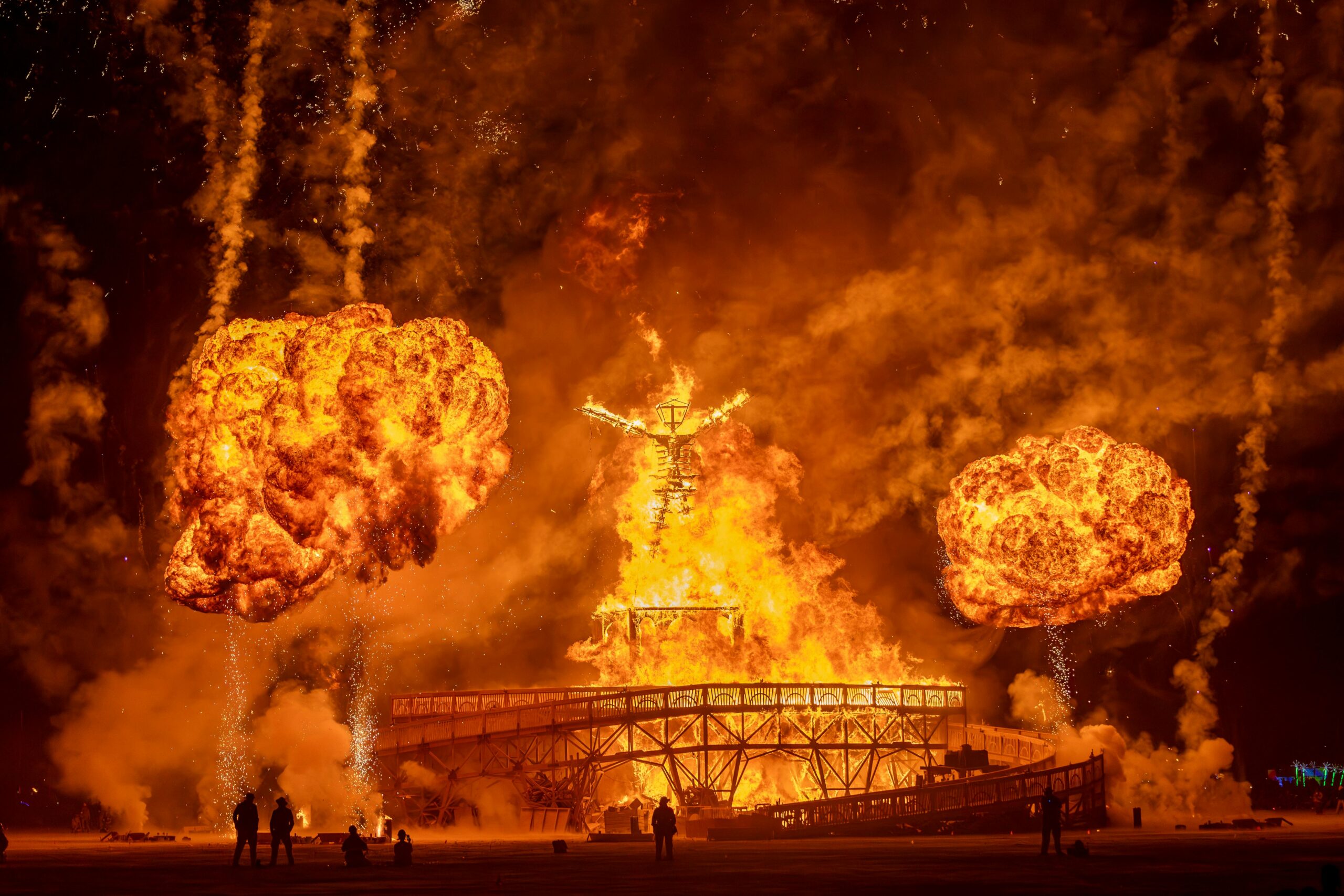
Throughout human history, sacred spaces have served as portals between the mundane and the divine, where carefully orchestrated rituals guide practitioners toward altered states of consciousness and spiritual awakening.

Temples across civilizations have functioned as more than architectural marvels—they are sophisticated instruments designed to facilitate profound psychological and spiritual transformation. The rituals performed within these hallowed walls employ precise combinations of sensory stimulation, symbolic action, and intentional movement to unlock dormant capacities of human consciousness. Understanding these ancient practices offers modern seekers valuable insights into expanding awareness and accessing deeper dimensions of mind.
🏛️ The Sacred Architecture of Consciousness Transformation
Temple structures themselves function as the first layer of consciousness alteration. Ancient architects understood that physical space profoundly impacts mental states. The proportions, acoustics, lighting, and spatial organization of temples create environments conducive to trance induction.
Egyptian temples employed progressively darkening chambers that forced pupils to dilate, creating visual effects that enhanced mystical experiences. Greek temples positioned at electromagnetic anomalies utilized natural earth energies. Hindu temple architecture incorporated specific geometric patterns—yantras—that serve as visual focal points for meditation, guiding the eye and mind into concentrated states.
The transition from outer courtyards to inner sanctums mirrors the journey from ordinary consciousness to transcendent awareness. This graduated approach to sacred space prepares the nervous system for the profound experiences awaiting within.
Sensory Deprivation and Overstimulation: The Dual Pathways
Temple rituals employ two seemingly opposite techniques to achieve trance states: sensory deprivation and sensory overload. Both methods disrupt normal cognitive processing, creating openings for expanded awareness.
The Silence That Speaks: Deprivation Techniques
Many contemplative traditions utilize darkness, silence, and isolation to induce altered states. Tibetan Buddhist dark retreats place practitioners in complete darkness for days or weeks, allowing the mind to generate its own inner light experiences. Christian monks practiced similar techniques in cave hermitages, reporting visions and mystical unions.
The absence of external stimuli forces consciousness to turn inward, revealing subtle perceptions normally drowned out by sensory noise. Brain activity shifts toward theta and delta wave patterns associated with deep meditation and creativity.
The Divine Cacophony: Overstimulation Methods
Conversely, many traditions overwhelm the senses with intense stimulation. Hindu puja ceremonies combine visual splendor (decorated deities, flames, flowers), auditory bombardment (bells, drums, chanting), olfactory richness (incense, camphor), and tactile engagement (offerings, prostrations).
This sensory overload saturates ordinary cognitive processing, forcing a shift to alternative modes of perception. The analytical mind, unable to process all incoming information, temporarily suspends its filtering function, allowing direct experience of the present moment.
🎵 Sacred Sound: Vibration as Portal to Altered States
Sound occupies a central role in temple rituals worldwide, functioning as perhaps the most powerful tool for consciousness alteration. The strategic use of specific frequencies, rhythms, and vocal techniques directly influences brainwave patterns and nervous system functioning.
Gregorian chants utilize frequencies that induce alpha wave production, creating states of relaxed alertness. Tibetan singing bowls produce complex harmonic overtones that entrain brainwaves toward meditative states. Hindu mantras employ specific syllabic vibrations believed to activate subtle energy centers within the body.
Research in neuroscience confirms that rhythmic auditory stimulation can synchronize neural firing patterns across brain regions, facilitating coherent states of consciousness associated with peak experiences and mystical awareness. Drumming at 4-7 Hz induces theta brainwave states correlated with trance, shamanic journeying, and deep meditation.
The Science Behind Sacred Chanting
Repetitive vocalization produces measurable physiological effects. Chanting slows respiration, activates the parasympathetic nervous system, and stimulates the vagus nerve. The mechanical vibration of vocal cords sends signals throughout the body, creating whole-system coherence.
Sanskrit mantras specifically utilize consonant-vowel combinations that maximize oral cavity resonance, creating internal vibrations that practitioners describe as consciousness-expanding. The “om” sound, for instance, vibrates at approximately 136.1 Hz, corresponding to the frequency associated with the Earth year and considered harmonious with natural rhythms.
Ritual Movement: Dance as Divine Technology
Ecstatic dance traditions across cultures employ movement to bypass intellectual cognition and access embodied wisdom. Sufi whirling, Native American sun dances, Hindu tandava, and African possession dances all utilize repetitive, rhythmic movement to induce trance states.
These practices work through several mechanisms. Sustained spinning alters vestibular system function, creating disorientation that loosens ordinary perceptual frameworks. Repetitive movement patterns occupy the conscious mind, allowing unconscious material to surface. Rhythmic motion entrains brainwaves and releases endorphins, creating natural euphoria.
The deliberate choreography of temple rituals isn’t arbitrary—specific movement sequences activate particular psychological and energetic effects. Mudras (hand gestures) in Eastern traditions are believed to direct subtle energy flows, while their actual effect may involve stimulating nerve endings that influence brain function.
🕯️ The Alchemy of Incense and Aromatic Substances
Fragrance plays a sophisticated role in ritual consciousness alteration. The olfactory system connects directly to limbic brain structures governing emotion and memory, bypassing cognitive filtering. Specific plant substances contain compounds that demonstrably affect neural functioning.
Frankincense contains boswellic acids that cross the blood-brain barrier and influence neurochemistry, potentially explaining its millennia-long association with spiritual practice. Research suggests it may activate poorly understood ion channels that alter neurological functioning.
Temples strategically employ aromatic substances to create atmospheric effects that prime consciousness for transcendent experiences. The combination of dim lighting and perfumed smoke creates a liminal environment that signals to the nervous system: “ordinary rules no longer apply.”
Fasting and Dietary Preparation: Purification as Portal
Most serious temple rituals require preparatory fasting or dietary restrictions. These practices serve multiple functions in consciousness alteration. Physiologically, fasting shifts metabolism toward ketone production, which influences neurotransmitter function and can induce mild euphoric states.
Reduced digestive burden redirects blood flow and energy toward neural activity. Some traditions employ specific nutritional deprivations—protein restriction, for instance—that alter neurotransmitter precursor availability, potentially enhancing sensitivity to religious experience.
Psychologically, fasting demonstrates commitment and creates a sense of sacrifice that deepens engagement with ritual. The mild stress of controlled hunger can also enhance alertness and sensitivity to subtle perceptions.
🧘 Breath: The Bridge Between Body and Consciousness
Pranayama and similar breathwork techniques constitute perhaps the most sophisticated temple technologies for consciousness transformation. Breathing sits at the unique intersection of voluntary and involuntary nervous system control, making it an accessible gateway to usually autonomous functions.
Specific breathing patterns predictably alter blood chemistry, oxygen/carbon dioxide ratios, and pH levels, producing measurable changes in consciousness. Rapid breathing (hyperventilation) can induce light-headedness, tingling sensations, and altered states through respiratory alkalosis. Slow breathing activates parasympathetic responses, creating deep calm.
Advanced practitioners use breath retention to create controlled hypoxia, temporarily reducing oxygen to the brain and inducing unusual mental states. While physiologically stressful, these practices done skillfully can produce profound experiences of expanded awareness.
Breathwork Patterns and Their Effects
Different traditions employ distinct breathing patterns for specific purposes:
- Sama vritti (equal breathing): Creates balance and calm, suitable for sustained meditation
- Bhastrika (bellows breath): Energizing and activating, prepares for intensive practice
- Nadi shodhana (alternate nostril): Balances hemispheric brain activity, promotes integration
- Kumbhaka (retention): Intensifies awareness, creates energetic accumulation
Symbolic Action: Bypassing Rational Mind Through Ritual Gesture
Temple rituals employ symbolic actions that communicate directly with unconscious processing systems. Bowing, prostrating, offering, and circumambulating aren’t merely symbolic—they’re embodied communications that shape internal states.
Making offerings engages the neural circuits associated with generosity and reduces ego-clinging. Physical prostration cultivates humility while creating cardiovascular activation. Circumambulation (walking clockwise around sacred objects) creates mild hypnotic effects through repetitive movement while reinforcing symbolic meanings about spiritual centering.
These actions work partly because the nervous system doesn’t distinguish between literal and symbolic. Performing gestures of surrender produces genuine psychological surrender. Enacting devotion cultivates authentic devotional feelings.
⏰ Temporal Manipulation: Time as Ritual Variable
Sacred timing amplifies ritual effectiveness. Many traditions conduct ceremonies at dawn, dusk, or midnight—liminal times when ordinary consciousness naturally shifts. These transitions mark biological rhythm changes that make altered states more accessible.
Extended duration creates transformation through sustained attention. All-night vigils, multi-day ceremonies, and prolonged meditation retreats exhaust ordinary cognitive functioning, creating openings for extraordinary experiences. Sleep deprivation produces mild delirium that some traditions harness intentionally.
Cyclical repetition—daily practices, seasonal celebrations, life-stage initiations—creates cumulative effects. Neural pathways associated with ritual practices strengthen through repetition, making altered states more accessible over time.
The Neuroscience of Transcendence: Modern Understanding of Ancient Practices
Contemporary neuroscience increasingly validates ancient intuitions about consciousness transformation. Neuroimaging studies reveal that meditation, chanting, and ritual practices produce measurable changes in brain structure and function.
Long-term practitioners show increased gray matter in brain regions associated with attention, emotional regulation, and self-awareness. They demonstrate enhanced connectivity between brain networks and greater capacity to modulate neural activity voluntarily.
Default mode network activity—associated with self-referential thinking and the sense of separate self—decreases during deep meditative states, corresponding with reports of ego dissolution and unitive consciousness. This finding provides a neural correlate for mystical experiences of oneness reported across traditions.
Neurochemistry of Spiritual Experience
Various practices influence neurotransmitter systems in ways that facilitate transcendent experiences:
- Endorphins: Released during rhythmic movement, creating natural euphoria
- Serotonin: Modulated by breathing practices and meditation, influencing mood and perception
- Dopamine: Activated by anticipation and ritual reward, motivating continued practice
- Oxytocin: Released during communal ritual, fostering connection and trust
🌟 Integration: From Temple Experience to Daily Life
The ultimate purpose of temple rituals extends beyond temporary altered states. These practices aim to permanently elevate baseline consciousness, making wisdom and compassion accessible in ordinary life.
Integration techniques help translate peak experiences into lasting transformation. Contemplative journaling processes insights intellectually. Service practices embody spiritual understanding in action. Regular meditation maintains neural changes developed during intensive practice.
Modern practitioners can adapt temple technologies to contemporary life without cultural appropriation by understanding underlying principles. Creating dedicated practice spaces, employing ritual timing, using sound and breath strategically—these approaches honor ancient wisdom while respecting cultural contexts.
Psychological Safety and Wisdom Traditions
Authentic traditions recognize that consciousness expansion requires proper preparation, skilled guidance, and psychological maturity. Trance states can destabilize unprepared practitioners or activate unprocessed trauma.
Traditional temple systems include safeguards: gradual progression, teacher oversight, community support, and integration periods. These protections acknowledge that accessing expanded consciousness is powerful medicine requiring appropriate containers.
Modern seekers should approach these practices with appropriate respect, ideally under qualified instruction, with attention to mental health considerations, and with patience for gradual transformation rather than forcing dramatic experiences.
The Living Tradition: Temple Rituals in Contemporary Practice
While ancient temples remain important pilgrimage destinations, their technologies of consciousness continue evolving. Contemporary practitioners adapt these methods to modern contexts, creating hybrid approaches that honor tradition while addressing current needs.
Urban meditation centers employ traditional techniques in secular frameworks. Scientific research validates and refines ancient practices. Cross-cultural dialogue reveals universal principles underlying diverse traditions.
The democratization of these practices—once reserved for priests and initiates—offers unprecedented opportunities for collective consciousness elevation, though it also requires responsibility and discernment from individual practitioners.
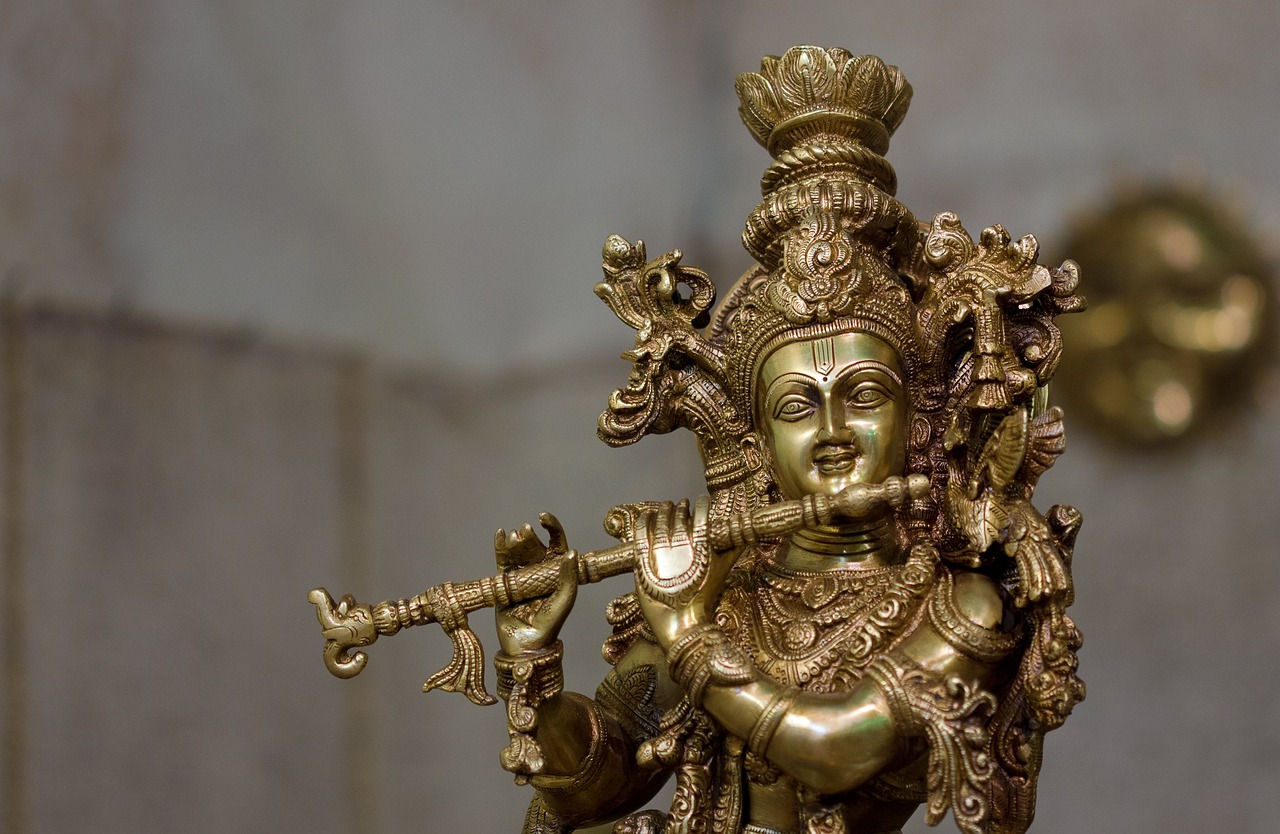
💎 The Eternal Now: Timeless Wisdom for Modern Seekers
Temple rituals remind us that human beings possess extraordinary capacities for consciousness expansion. The technologies developed in sacred spaces throughout history provide roadmaps for accessing our fullest potential.
These practices work not through supernatural intervention but through sophisticated understanding of human neurobiology, psychology, and the subtle dimensions of awareness. They offer practical methods for transcending limiting beliefs, expanding perceptual capacity, and connecting with dimensions of existence beyond ordinary awareness.
Whether practiced in ancient stone temples or modern meditation rooms, these time-tested approaches to consciousness transformation remain relevant. They address the perennial human longing for meaning, connection, and transcendence—needs as vital today as millennia ago.
The invitation stands open: to explore these profound practices with sincerity, patience, and respect, discovering personally what generations of seekers have found—that consciousness itself is the ultimate temple, and its depths are infinite.