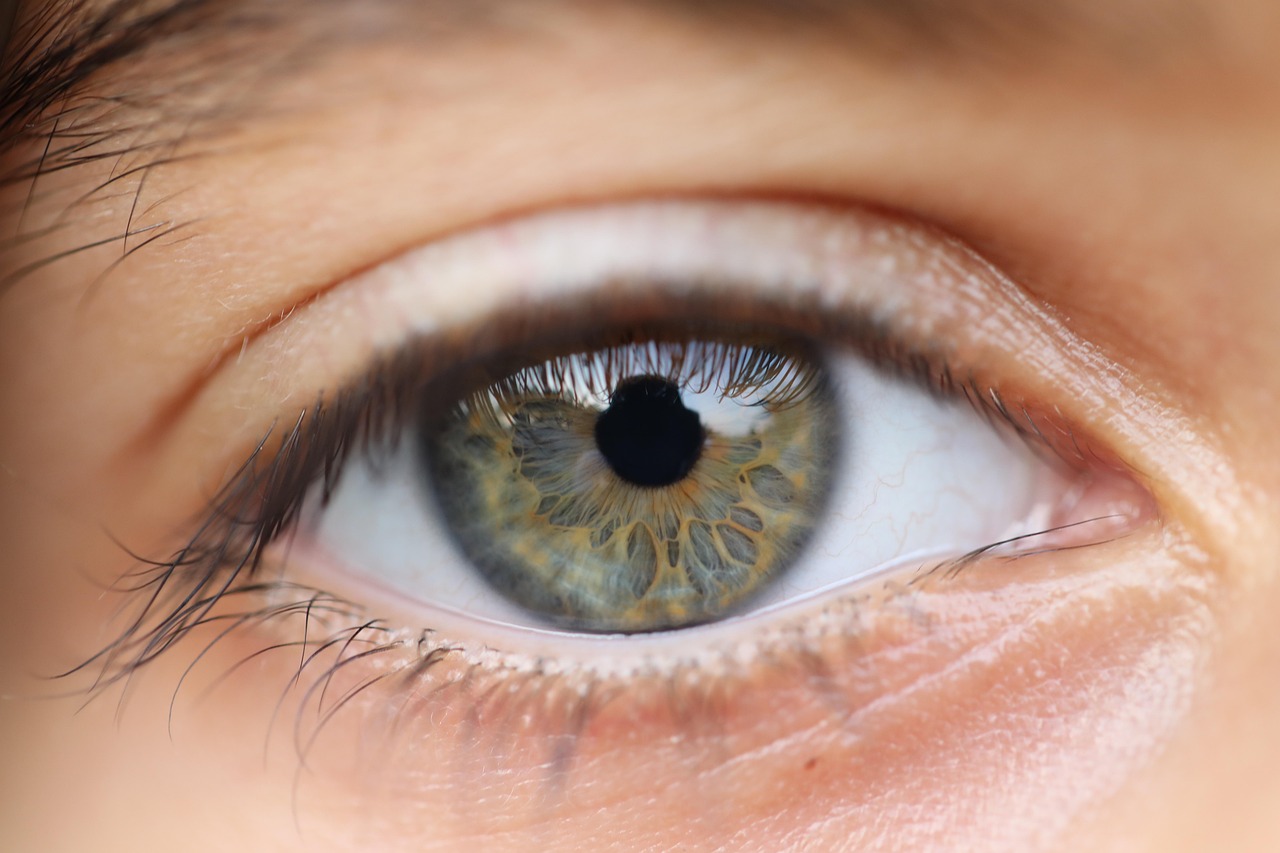
The question of who we are has captivated philosophers, scientists, and thinkers throughout human history. At the heart of this profound inquiry lies an intricate relationship between memory and identity, two fundamental elements that shape our sense of self and define our existence in the world.

Our memories are not merely recordings of past events stored in the recesses of our minds. They are living, breathing components of our consciousness that continuously shape how we perceive ourselves and interact with the world. Identity, meanwhile, represents the coherent narrative we construct from these memories, experiences, and self-perceptions, creating the unique individual we recognize as “me.”
🧠 The Neuroscience Behind Memory Formation
Understanding the biological mechanisms of memory formation reveals fascinating insights into how we construct our sense of self. The hippocampus, a seahorse-shaped structure deep within the brain, plays a crucial role in converting short-term experiences into long-term memories. This neurological process doesn’t simply record events like a video camera; instead, it actively reconstructs and reinterprets experiences each time we recall them.
Research in neuroscience demonstrates that memory consolidation occurs through synaptic plasticity, where neural connections strengthen or weaken based on repeated activation. This dynamic process means our memories are constantly being rewritten and updated, influenced by our current emotional state, beliefs, and subsequent experiences. The malleability of memory has profound implications for understanding personal identity.
When we retrieve a memory, we don’t access a static file but rather reconstruct the experience using fragments stored across different brain regions. The prefrontal cortex integrates these fragments with contextual information, emotional associations, and current knowledge, creating what feels like a seamless recollection but is actually a creative reconstruction.
The Architecture of Personal Identity
Personal identity emerges from the continuous interplay between our autobiographical memories and our present experiences. Philosopher John Locke proposed that consciousness and memory form the foundation of personal identity, arguing that we are essentially the sum of our remembered experiences. This perspective suggests that continuity of memory creates continuity of self.
However, modern psychology reveals a more nuanced picture. Our identity comprises multiple layers, including our core values, personality traits, social roles, and the narrative we construct about our life journey. Memory serves as the thread that weaves these elements together, creating a coherent sense of who we were, who we are, and who we aspire to become.
The Narrative Self
Psychologists distinguish between two aspects of self: the experiencing self, which lives in the present moment, and the remembering self, which constructs our life story. The remembering self functions as an internal biographer, selecting which experiences to preserve and how to interpret them within the larger context of our identity.
This narrative construction isn’t neutral or objective. We tend to remember experiences that confirm our existing self-concept while minimizing or reinterpreting events that contradict our self-image. This selective memory process helps maintain psychological coherence and stability, even as we undergo significant life changes.
💭 When Memory Falters: Identity in Crisis
The intimate connection between memory and identity becomes starkly apparent when memory systems fail. Individuals experiencing amnesia, whether from injury, disease, or psychological trauma, often describe a profound sense of disconnection from themselves. Without access to autobiographical memories, the sense of continuous identity fragments, leaving individuals feeling unmoored from their past.
Alzheimer’s disease and other forms of dementia progressively erode memory, beginning with recent experiences and eventually reaching into long-term autobiographical memory. Family members often describe how their loved ones seem to become different people as these memories fade. The person’s core essence appears to transform, raising profound questions about whether identity can exist independent of memory.
Conversely, some research suggests that even when explicit memories fade, implicit memories and emotional associations may persist. Dementia patients often retain a sense of familiarity with loved ones and places, even when they cannot explicitly recall why these connections feel meaningful. This phenomenon suggests that identity may involve deeper, more primal layers than conscious autobiographical memory alone.
Cultural Memory and Collective Identity
Our personal identity doesn’t develop in isolation but emerges within cultural and social contexts. Collective memory, shared by communities and cultures, provides frameworks for understanding personal experiences and constructing individual identity. The stories, traditions, and historical narratives of our communities become internalized components of our personal sense of self.
Different cultures emphasize various aspects of identity formation. Western societies typically prioritize individual autonomy and personal achievement in identity construction, while many Eastern cultures emphasize relational identity, defined through social connections and community membership. These cultural frameworks influence which memories we consider significant and how we interpret their meaning in our life narrative.
Intergenerational Memory Transmission
Emerging research in epigenetics suggests that traumatic experiences can leave molecular marks on DNA that are transmitted across generations. Holocaust survivors’ descendants, for example, show distinct stress response patterns, even without direct trauma exposure. This biological memory transmission adds another dimension to understanding how identity extends beyond individual experience to incorporate ancestral history.
🔄 Memory Reconsolidation and Identity Transformation
One of the most fascinating discoveries in memory research is reconsolidation, the process by which memories become temporarily malleable when recalled. Each time we remember an event, the memory trace destabilizes before being stored again, potentially incorporating new information or emotional associations. This mechanism explains how memories can change over time and provides opportunities for therapeutic intervention.
Psychotherapy often works by helping individuals reframe traumatic memories, integrating them into a more coherent and adaptive life narrative. By accessing and reconsolidating difficult memories in a safe therapeutic context, people can transform their relationship with the past, effectively reshaping the memories that have constrained their sense of identity.
This plasticity of memory challenges the notion of a fixed, unchanging identity. Instead, we are constantly in the process of becoming, continuously revising our understanding of who we are based on new experiences and reinterpretations of old ones. Identity emerges not as a static entity but as a dynamic process of self-creation.
The Role of Forgetting in Identity Formation
While we typically view forgetting negatively, it plays a crucial role in healthy identity formation. Complete memory retention would be psychologically overwhelming, making it impossible to extract meaningful patterns or prioritize significant experiences. Strategic forgetting allows us to release irrelevant details while preserving the essence of important experiences.
The brain employs sophisticated mechanisms to determine which memories warrant long-term storage and which can be safely discarded. Emotional salience, repetition, and personal significance all influence these decisions. By forgetting mundane details, we create mental space for the experiences that truly define us.
Paradoxically, some forms of pathological memory, such as hyperthymesia (the inability to forget), can be debilitating. Individuals with this rare condition remember virtually every day of their lives in extraordinary detail but often struggle with decision-making and emotional regulation. This demonstrates that healthy identity requires a balance between remembering and forgetting.
⚡ Digital Memory and Modern Identity
Contemporary technology has fundamentally altered our relationship with memory and identity. Social media platforms function as external memory systems, preserving experiences in digital format with unprecedented completeness. This externalization of memory offers both opportunities and challenges for identity formation.
Digital archives allow us to revisit past experiences with photographic and video accuracy, potentially enriching our autobiographical memory. However, this same technology can constrain identity development by creating a permanent, public record of past selves that may conflict with present identity. The permanence of digital memory complicates the natural process of selective forgetting and narrative revision that facilitates psychological growth.
Young people developing their identities in the digital age face unique challenges. Their experimental phases and identity explorations are documented and potentially accessible indefinitely. This digital permanence may inhibit the identity flexibility and reinvention that characterized earlier generations, raising questions about how technology shapes contemporary selfhood.
Memory, Emotion, and the Embodied Self
Our bodies serve as repositories of memory, storing experiences not just in neural circuits but in muscular tension, posture, and physiological responses. This embodied memory influences identity in ways that extend beyond conscious recollection. Trauma survivors often experience body memories, physical sensations that replay traumatic experiences without explicit mental recall.
The emerging field of somatic psychology recognizes that identity encompasses not just our thoughts and memories but our lived bodily experience. How we carry ourselves, our habitual gestures, and our physiological stress responses all contribute to our sense of self. These embodied patterns often reflect internalized memories from early development, shaping identity at pre-verbal levels.
Practices like yoga, meditation, and somatic experiencing therapy work with this embodied dimension of memory and identity. By cultivating awareness of physical sensations and movement patterns, these approaches facilitate access to implicit memories and support integration of fragmented aspects of self.
🌟 Philosophical Perspectives on Memory and Selfhood
Philosophers have long grappled with questions of personal identity and its relationship to memory. The Ship of Theseus paradox asks whether an object that has had all its components replaced remains fundamentally the same object. Applied to personal identity, this raises profound questions: if our cells regenerate, our beliefs evolve, and our memories change, are we still the same person we were ten years ago?
Buddhist philosophy offers a radical alternative to Western conceptions of identity, proposing that the self is ultimately an illusion created by the continuous flow of experiences. From this perspective, clinging to a fixed identity causes suffering, and liberation comes through recognizing the impermanent, constructed nature of selfhood. Memory, in this framework, generates the illusion of continuity across fundamentally discontinuous moments.
Existentialist philosophers like Jean-Paul Sartre argued that we are not defined by our past but by our ongoing choices and the meaning we create. While memory provides raw material for identity, we retain the freedom to reinterpret our history and project ourselves toward new possibilities. This perspective emphasizes agency in identity construction rather than determinism.
The Future of Memory Enhancement and Identity
Emerging biotechnologies promise unprecedented capabilities for memory enhancement, modification, and even selective erasure. Optogenetics allows researchers to activate or suppress specific memories in laboratory animals by stimulating particular neurons with light. While human applications remain distant, these technologies raise profound ethical questions about the relationship between memory and authentic identity.
Would pharmacological memory enhancement fundamentally alter who we are? If we could selectively erase traumatic memories, would we lose something essential to our identity? These questions will become increasingly urgent as neurotechnology advances. The possibility of technologically mediated memory challenges our assumptions about the natural boundaries of self and the authenticity of experience.
Some transhumanist thinkers anticipate a future where consciousness and memory might be uploaded to digital substrates, potentially achieving a form of immortality. Such scenarios provoke questions about whether digital consciousness would constitute the same identity or represent something entirely new. These speculations, while currently theoretical, illuminate fundamental questions about what makes us who we are.
💫 Integrating the Fragments: Toward a Holistic Understanding
The relationship between memory and identity reveals itself as neither simple nor unidirectional. Memory provides the raw material from which identity is constructed, but identity also shapes which memories we form, retain, and access. This reciprocal relationship creates a dynamic system where self and memory co-create each other across the lifespan.
Our essence emerges not from any single memory or fixed characteristic but from the ongoing process of integration, the continuous work of creating coherence from the fragments of experience. This integration occurs at multiple levels: neurological, as the brain binds distributed information into unified experiences; psychological, as we construct narrative meaning from disconnected events; and social, as we position ourselves within communities and cultures.
Understanding memory and identity as the essence of who we are invites us to approach ourselves with both humility and empowerment. Humility, because we recognize the constructed, malleable nature of the self we take for granted. Empowerment, because this same plasticity offers possibilities for growth, healing, and transformation throughout life.

The Living Story We Tell Ourselves
Ultimately, we are the stories we tell ourselves about ourselves, stories woven from memory, emotion, aspiration, and meaning. These narratives aren’t fixed texts but living documents, continuously edited and revised as we encounter new experiences and develop new perspectives. The art of being human involves skillful authorship of this ongoing story while remaining open to plot twists and character development we cannot predict.
By understanding how memory and identity intertwine to create our sense of self, we gain tools for more intentional self-creation. We can recognize limiting stories inherited from trauma or cultural conditioning and consciously craft more empowering narratives. We can honor the past while refusing to be imprisoned by it, maintaining continuity while embracing change.
The exploration of memory and identity reveals that unlocking the soul requires neither discovering some hidden, unchanging essence nor accepting that we are merely arbitrary collections of disconnected moments. Instead, it invites us to engage consciously with the creative process of becoming, recognizing ourselves as both the sculptor and the sculpture, simultaneously creating and discovering who we are.