Throughout human history, shamans have embarked on extraordinary journeys that transcend the boundaries of physical reality, seeking wisdom, healing, and communion with spiritual realms beyond ordinary consciousness.

These ancient practices of soul flight and out-of-body travel represent humanity’s earliest systematic explorations of non-ordinary states of consciousness. From the frozen tundras of Siberia to the dense rainforests of the Amazon, shamanic traditions have preserved techniques for navigating invisible worlds, communicating with spirits, and retrieving knowledge from dimensions beyond our everyday perception.
🌟 The Ancient Art of Shamanic Soul Flight
Soul flight, known by various names across different cultures—ecstatic journey, spirit travel, or mystical flight—represents the shaman’s ability to separate consciousness from the physical body and travel through spiritual dimensions. This fundamental shamanic technique has been documented across virtually every indigenous culture on Earth, suggesting a universal human capacity for transcendent experiences.
In traditional shamanic cosmology, the universe typically consists of three interconnected worlds: the Upper World, the Middle World, and the Lower World. Each realm serves specific purposes and houses different types of spiritual entities, ancestors, and power animals that shamans encounter during their journeys.
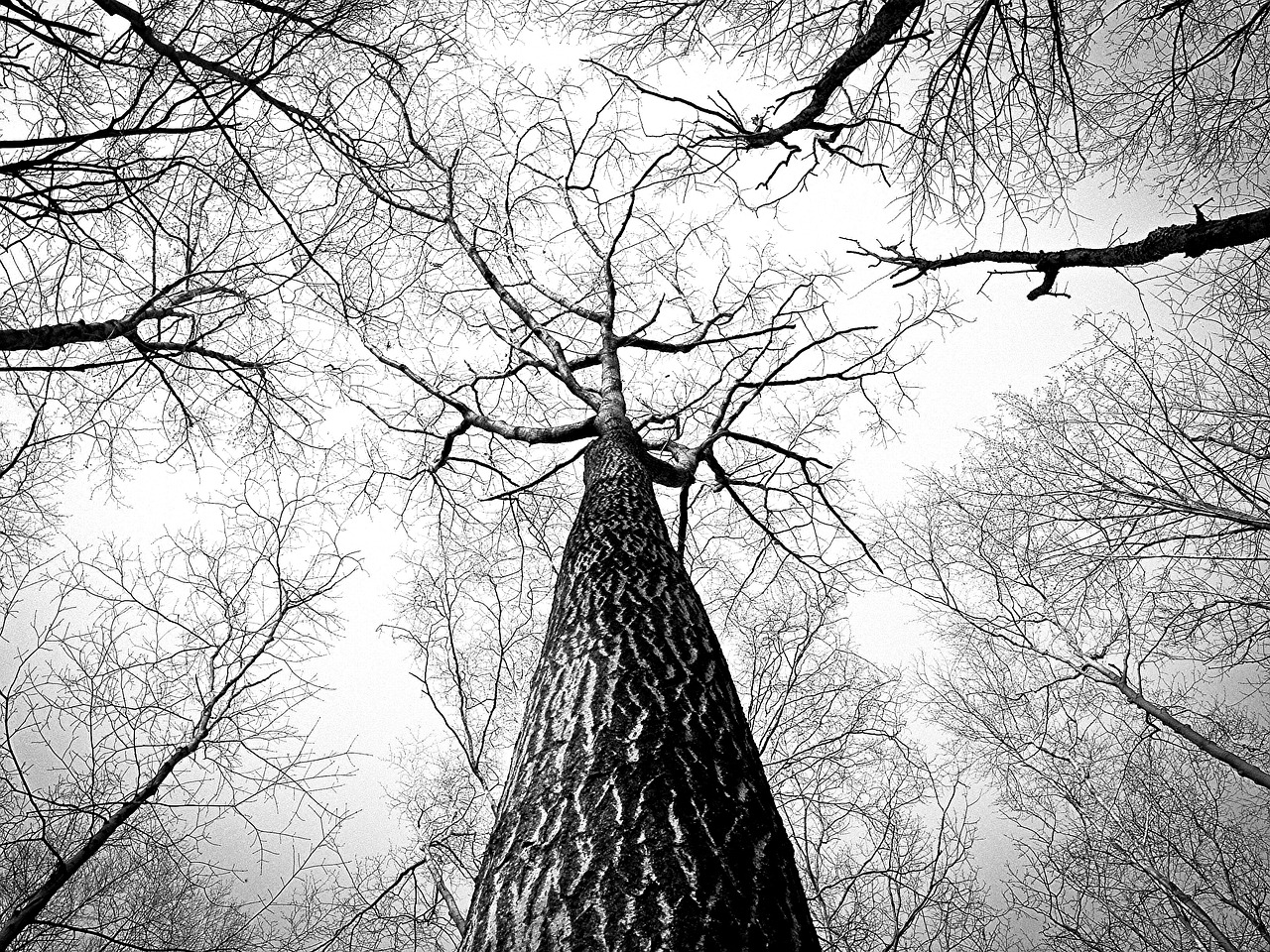
The Upper World often represents celestial realms associated with divine wisdom, cosmic consciousness, and spiritual teachers. Shamans ascending to these heights seek profound knowledge, connect with celestial guides, and retrieve information about destiny and cosmic patterns. The journey upward typically involves climbing a World Tree, ascending a mountain, or riding on the back of a spirit animal capable of flight.
Navigating the Three Worlds of Shamanic Reality
The Middle World corresponds to the spiritual dimension of our physical reality—a parallel energetic landscape where shamans can travel vast distances instantaneously, communicate with nature spirits, and perceive the hidden forces influencing everyday life. This realm proves particularly useful for finding lost objects, distant healing, and understanding the spiritual aspects of current situations.
The Lower World, contrary to Western associations with darkness or evil, represents the subterranean realm of power animals, ancestral wisdom, and primordial knowledge. Shamans descending into these depths typically enter through caves, hollow trees, or bodies of water, seeking healing power, retrieving lost soul parts, and consulting with ancient spirits who remember the beginning of time.
🔮 Techniques for Inducing Out-of-Body Experiences
Ancient shamanic traditions developed sophisticated methodologies for inducing altered states of consciousness conducive to soul flight. These techniques, refined over millennia, demonstrate remarkable consistency across geographically distant cultures, suggesting fundamental truths about human consciousness and its potential for expansion.
Rhythmic drumming stands as perhaps the most universal shamanic tool for inducing trance states. Research has shown that steady drumming at approximately 4-7 beats per second corresponds to theta brainwave frequencies associated with deep meditation, hypnotic states, and the threshold between waking and dreaming consciousness. The monotonous rhythm serves as both an anchor and a vehicle, carrying the shaman’s consciousness across dimensional boundaries.
Sacred Sound and Vibrational Journeying
Rattles, bells, chanting, and singing also facilitate shamanic journeys through their capacity to alter brainwave patterns and focus attention. Many traditions employ specific songs or chants believed to open portways between worlds or summon particular spirit allies. The Sami shamans of Scandinavia used a distinctive form of singing called joik, while Mongolian shamans employed overtone chanting to navigate spiritual realms.
The strategic use of entheogenic plants represents another ancient pathway to soul flight. Ayahuasca in the Amazon, peyote among North American tribes, fly agaric mushrooms in Siberian traditions, and San Pedro cactus in the Andes—these sacred medicines have facilitated shamanic journeys for thousands of years. Indigenous cultures approach these substances with profound respect, elaborate ceremony, and strict protocols, viewing them as spirit teachers rather than recreational drugs.
✨ The Phenomenology of Shamanic Out-of-Body Travel
Shamanic practitioners across cultures report remarkably consistent phenomenological features during out-of-body experiences. These commonalities suggest the experiences reflect genuine encounters with subtle dimensions of reality rather than mere hallucinations or imagination.
The journey typically begins with sensations of bodily dissolution, floating, or being pulled through a tunnel or vortex. Many shamans describe feeling their consciousness separate from their physical form, often perceiving their body from an external vantage point. This initial separation phase may involve vibrations, buzzing sounds, or the sensation of tremendous energy coursing through the body.
Once free from bodily constraints, shamans report traveling at incredible speeds, flying through landscapes both familiar and alien, and encountering beings of various descriptions—spirit animals, ancestors, angels, nature spirits, and entities defying conventional categorization. Communication often occurs telepathically, through symbolic imagery, or via direct transmission of knowledge that bypasses language entirely.
Meeting Spirit Guides and Power Animals
The concept of power animals or spirit guides appears universally in shamanic traditions. These spiritual allies serve as protectors, teachers, and companions during otherworldly journeys. Each animal carries specific qualities, medicine, and wisdom—the eagle provides vision and perspective, the bear offers strength and healing, the snake facilitates transformation and rebirth.
Establishing relationship with power animals follows specific protocols in traditional shamanism. The shaman doesn’t simply imagine or choose these allies; they appear spontaneously during journeys, often revealing themselves multiple times before entering into formal partnership. This relationship requires ongoing reciprocity, respect, and communication—the shaman honors the animal’s gifts while the animal receives acknowledgment and offerings.
🌍 Cultural Variations in Soul Flight Practices
While shamanic out-of-body travel shares universal features, distinct cultural traditions have developed unique approaches, cosmologies, and techniques reflecting their specific environments and worldviews.
Siberian shamanism, considered by many scholars as the prototype from which the term “shaman” derives, features elaborate costumes adorned with mirrors, bells, and symbolic representations of the shaman’s spirit allies. The Tungus and Yakut shamans perform dramatic ceremonies involving ecstatic dance, drumming, and vocal techniques that facilitate their spirit journeys to retrieve lost souls or negotiate with spirits causing illness.
Amazonian Ayahuasca Traditions
In the Amazon basin, shamanic soul flight intimately connects with ayahuasca—the visionary brew combining Banisteriopsis caapi vine and Psychotria viridis leaves. Ayahuasceros report traveling through intricate geometric landscapes, transforming into animals, visiting distant locations, and receiving detailed information about medicinal plants and healing protocols. These visions, they insist, represent genuine journeys rather than mere drug-induced hallucinations.
Native North American traditions feature vision quests, sweat lodge ceremonies, and sacred pipe rituals as gateways to spirit travel. The lakota concept of “hanbleciya” (crying for a vision) involves solo wilderness fasting where seekers enter altered states and receive visions guiding their life path. These experiences often include encounters with animal spirits, ancestors, and powerful teachings delivered through symbolic imagery.
Australian Aboriginal Dreamtime Navigation
Australian Aboriginal traditions conceptualize reality itself as fundamentally dreamlike, with the Dreamtime representing the eternal creative period when ancestral spirits formed the world. Aboriginal shamans or “clever men” traverse Dreamtime landscapes, communicate with ancestral beings, and access the songlines—energetic pathways connecting sacred sites across vast distances. Their practice blurs distinctions between waking, dreaming, and spiritual travel.
🧠 Modern Scientific Perspectives on Out-of-Body Phenomena
Contemporary neuroscience and consciousness research have begun examining shamanic experiences through empirical frameworks, producing fascinating insights while acknowledging the limitations of materialist paradigms for fully explaining these phenomena.
Brain imaging studies of experienced meditators and shamanic practitioners show distinctive patterns during altered states—increased theta wave activity, decreased default mode network function, and enhanced connectivity between brain regions normally operating independently. These findings suggest altered states involve genuine neurological shifts rather than simple imagination or pretense.
Research into naturally occurring out-of-body experiences, sleep paralysis, and near-death experiences reveals phenomenological overlaps with shamanic soul flight. Approximately 10% of the population reports spontaneous out-of-body experiences, suggesting the capacity for consciousness to operate independently of normal sensory processing represents a natural human potential.
The Hard Problem of Consciousness
Shamanic traditions challenge mainstream scientific assumptions about consciousness as merely brain-generated phenomena. If shamans genuinely access information unavailable through normal sensory channels—details about distant locations, knowledge of medicinal plants without prior study, accurate health diagnoses—this suggests consciousness may not be strictly confined to the brain.
Some researchers propose shamanic experiences access what physicist David Bohm called the “implicate order”—a deeper level of reality underlying manifest phenomena where information exists non-locally. Others suggest quantum consciousness theories, morphic fields, or participatory ontologies where consciousness actively co-creates reality rather than passively observing it.
🌿 Practical Applications and Healing Dimensions
Shamanic soul flight serves practical purposes extending far beyond mystical experience for its own sake. These journeys represent sophisticated technologies for healing, divination, and solving practical problems.
Soul retrieval addresses psychological fragmentation caused by trauma, wherein parts of the psyche dissociate and become “lost” in non-ordinary reality. The shaman journeys to locate these soul fragments, negotiates for their return, and reintegrates them into the client’s energy body. Many recipients report profound shifts—recovered memories, emotional release, renewed vitality, and resolution of long-standing psychological patterns.
Extraction and Spiritual Cleansing
Extraction involves journeying to perceive and remove spiritual intrusions—energetic blockages, attachments, or foreign energies causing illness or dysfunction. The shaman travels into the client’s energy body, identifies intrusive elements, and removes them through various techniques including sucking, pulling, or commanding spirits to depart.
Divination and guidance constitute another practical application. Clients seeking direction regarding relationships, career, health, or life purpose may request shamanic journeys on their behalf. The shaman travels to consult spirit guides, power animals, or ancestors, returning with specific advice, warnings, or encouragement addressing the client’s concerns.
⚠️ Dangers and Ethical Considerations
Traditional shamanic training emphasizes preparation, protection, and ethical restraint. Soul flight involves genuine risks that responsible practitioners acknowledge and address through proper protocols.
Psycho-spiritual dangers include encounters with hostile entities, possession, soul loss, energetic imbalance, and psychological destabilization. Traditional apprenticeships lasting many years prepare shamans to navigate these challenges through building power, establishing strong alliances with helping spirits, and learning protective techniques.
Modern practitioners dabbling in shamanic techniques without adequate training or cultural context risk psychological crisis, spiritual confusion, or exacerbating existing mental health conditions. Responsible teachers emphasize gradual development, thorough grounding practices, and clear boundaries between shamanic work and entertainment or ego inflation.
Cultural Appropriation and Respect
The popularization of shamanic practices in Western neo-shamanic movements raises legitimate concerns about cultural appropriation, commodification of sacred traditions, and disrespectful extraction of indigenous knowledge. Authentic engagement with shamanic traditions requires humility, proper attribution, permission from traditional keepers of knowledge, and support for indigenous communities preserving these practices.
🔑 Preparing for Your Own Shamanic Journey
Those called to explore shamanic soul flight should approach this path with sincerity, patience, and appropriate guidance. While the capacity for non-ordinary states exists within everyone, developing skills for conscious, controlled, and purposeful journeying requires dedication and practice.
Begin with establishing regular meditation practice to develop concentration, body awareness, and comfort with altered states. Simple breathwork, mindfulness, and visualization exercises build foundational capacities essential for shamanic work.
Seek qualified teachers with legitimate training, ethical standards, and connection to authentic lineages. Many organizations offer introductory workshops in core shamanism—the cross-cultural fundamentals extracted from various traditions—providing safe entry points for exploration.
Creating Sacred Space and Intention
Shamanic journeying requires appropriate set and setting. Create a dedicated space free from interruptions, use drumming recordings or live drumming, and clearly state your intention before journeying. Start with simple objectives like meeting a power animal or visiting the Lower World rather than attempting complex healing work.
Maintain a journey journal documenting your experiences, insights, and messages received. Over time, patterns emerge revealing your unique shamanic gifts, spirit allies, and areas where your work will prove most effective.

🌌 The Eternal Call to Journey Beyond
Shamanic soul flight represents humanity’s oldest spiritual technology—a direct, experiential approach to transcendence requiring no institutional mediation, no sacred texts, no priestly hierarchies. The drumbeat, the intention, the courage to release ordinary consciousness and enter the unknown—these remain accessible to sincere seekers across all times and cultures.
In our contemporary moment of ecological crisis, cultural fragmentation, and spiritual hunger, shamanic practices offer pathways to reconnect with nature, recover indigenous wisdom, and remember our embeddedness in a living, spirited cosmos. The journey beyond the self reveals that separation itself represents illusion—we exist within vast networks of relationship extending through visible and invisible worlds.
The ancient shamans knew what modern consciousness research now confirms: human awareness possesses extraordinary capacities for expansion, transcendence, and navigation of multidimensional reality. Soul flight awakens these dormant potentials, transforming our understanding of who we are and what becomes possible when we dare to journey beyond the boundaries of ordinary perception into the magnificent mystery that awaits.